Dominic Ward is an Australian novelist and visual artist who works at the intersection of innovative fiction and asemic art. He lives in Esk, Queensland, a small town west of Brisbane, with his wife and four children, and holds a BA from the University of Queensland.
Beyond JEF, Ward runs his own micro-press, Dirt Heart Pharmacy Press, which in 2015 published The 8th Madness, an anthology of innovative fiction he compiled himself, gathering contributors including Eckhard Gerdes, Derek Pell, Norman Conquest, and Jonathan Lyons. An earlier novel, Vile Structures, appeared through Lulu in 2011. Ward also wrote the blurb for R.M. Strauss's Skrat Prize Memorial Anthology, the 2017 Kenneth Patchen Award winner.
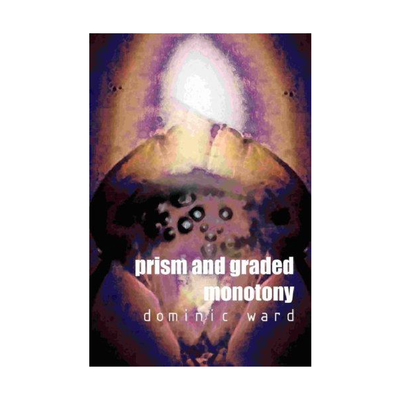
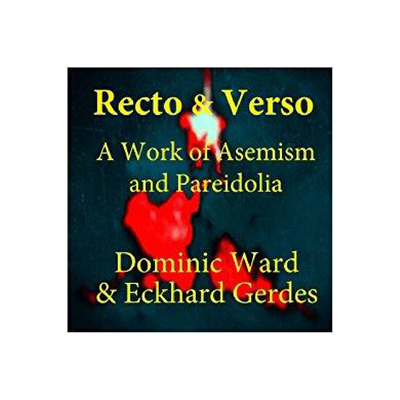
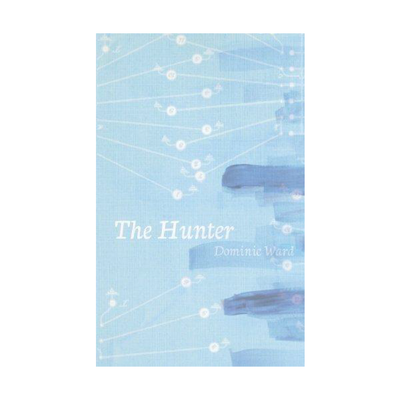
JEF Books has published three of Ward's titles. His two JEF novels, Prism and Graded Monotony (2013, third edition) and The Hunter (2015), are slim, dream-saturated books concerned with death, survival, and the porousness between waking life and the unconscious; Prism reads as a psychotropic prose poem about sex, death, time, and inner and outer space, while The Hunter follows a directionless young orphan pursued by a dream world that may be more real than his own. With Eckhard Gerdes he co-authored Recto & Verso: A Work of Asemism and Pareidolia (2016), a full-color hardcover collection of asemic and pareidolic images that sits closer to visual art than to the novel.
Start with The Hunter for the clearest line into Ward's dream logic, then Prism and Graded Monotony for the denser, more associative register of the same preoccupations.